Less Pain. More Play.
There is nothing more liberating than movement.
There is a simple joy that comes from being able to move with confidence—to walk, run, climb, lift, explore, and interact with the world without constantly wondering whether your body will hold you back.
When you move well, your world gets bigger.
A curb becomes something to balance on. A stone becomes something to jump over. A set of stairs becomes a challenge instead of an obstacle. Movement stops feeling like something you have to carefully manage and starts feeling like play again.
Of course, life has a way of wearing us down. Work, stress, responsibilities, old injuries, and the never-ending chaos of daily life can gradually make our bodies feel smaller, stiffer, and less capable.
But when movement becomes easier—even for a brief moment—you can return to one of the most natural and freeing things we are capable of doing: playing.
I believe everyone should have the opportunity to move this way.
Your body is not simply a machine that carries you from one responsibility to the next. It is how you connect with the people around you, explore your environment, express yourself, and fully experience your life.
That belief is why I do what I do.
Physical Therapy Built Around Your Life
Because of this philosophy, I do not practice physical therapy in the traditional way.
My goal is not to make you dependent on frequent appointments or keep you coming back several times per week just to repeat the same exercises in a clinic.
Instead, I typically work with people in person once per week, with virtual follow-ups and communication available as needed. Between visits, you will have access to a guided exercise platform with routines tailored to your needs, your goals, and the activities that matter to you.
This gives us enough time to evaluate what is going on, make meaningful changes, and adjust your plan—while still allowing you to do most of the work in the place that matters most: your actual life.
You should not need to put your life on hold in order to feel better.
Your plan should fit around your work, your family, your schedule, and the things you are already trying to do.
More Than a List of Exercises
Physical therapy should be more than being handed a sheet of exercises and told to come back next week.
My approach is much more collaborative.
Instead of asking, “How do we get you to fit into a standard rehabilitation program?” I ask:
What are you already doing?
What do you want to get back to?
What keeps getting in the way?
What is the smallest change we can make right now that will begin moving you forward?
From there, we build a practical plan designed to create progress without overwhelming you.
Depending on your needs, treatment may include exercise, movement coaching, dry needling, electrical stimulation, compression bands, mobility work, recovery strategies, and other physical therapy tools.
These treatments are not used simply because they are available. They are used when they can help reduce symptoms, improve movement, and create enough early momentum for you to begin doing more.
Just as importantly, I want you to understand what we are doing and why.
Whenever possible, I will teach you how to use simple tools and strategies safely at home so that you are not left guessing what to do when symptoms return.
Good physical therapy should not only help you feel better. It should help you become more confident in your ability to manage your body.
Who This Approach Is For
This model works best for people dealing with common muscle and joint problems who want a clear plan, professional guidance, and a greater level of independence.
You may be a good fit if you:
- Want to stay active but pain keeps interfering.
- Feel unsure about which exercises or activities are safe.
- Have tried random stretches, workouts, or online advice without a clear plan.
- Want guidance without committing to several appointments every week.
- Are willing to participate in your recovery between visits.
- Want to understand your body instead of simply receiving passive treatment.
This approach may be especially helpful for active adults dealing with knee pain, shoulder pain, neck or back pain, recurring muscle and joint problems, or difficulty returning to workouts and recreational activities.
Who May Need a Different Model
This style of care is not the right fit for everyone.
If you have a complex medical history, a recent major surgery, significant neurological symptoms, rapidly worsening symptoms, or a condition that requires frequent hands-on monitoring, you may benefit from a more traditional or medically intensive rehabilitation model.
My approach is intentionally designed to help people become independent. That means it relies heavily on education, guided exercise, communication, and your ability to follow a plan between visits.
There are situations where more frequent in-person care is the safer and more appropriate choice.
If I believe your condition requires a different level of care, I will tell you directly and help guide you toward the right next step.
The “It’s Not for Me” Guarantee
I understand that this approach is different.
It may not look like the physical therapy you have experienced before, and it may not be the right fit for everyone. That is why I offer what I call the “It’s Not for Me” Guarantee.
The purpose of your first visit is to determine whether I understand your problem, whether you feel confident in the plan, and whether this style of care feels right for you.
If, after that visit, you decide that my approach is not for you, simply let me know. There is no argument, no pressure, and no hard feelings. I will refund the full cost of your first visit.
To request a refund, email alex@waystonehealth.com with the subject line “Not for Me,” and I will process it within 24 hours.
You should never feel trapped in a treatment model that does not make sense for you.
Ready for Less Pain and More Play?
You do not need another random list of exercises.
You need to understand what is happening, what you can safely do right now, and how to begin moving forward.
If this approach resonates with you and you are ready for less pain, more confidence, and more play in your life, schedule your first visit.
Frequently Asked Questions
Do you accept insurance?
Waystone Physical Therapy is in-network with Traditional Medicare only.
For all other insurance plans, we operate as an out-of-network provider. Payment is made directly to Waystone at the time of service, and we can provide documentation you may use to seek reimbursement from your insurance company if your plan includes out-of-network benefits.
Our services are also generally eligible HSA and FSA healthcare expenses.
How often will I need to come to physical therapy?
Probably less often than you think.
Most treatment plans are built around a 6–12 week recovery process, but that does not mean coming into the clinic 1–2 times every week for 6–12 weeks.
Our model combines focused, one-on-one visits with a customized program you work on between appointments. Your exercises, progress, symptoms, and activity tolerance are tracked so your plan can be adjusted as you improve.
The goal is to give you the right amount of hands-on care, coaching, and progression—not to keep you coming to physical therapy indefinitely.
What happens between appointments?
Your recovery doesn't stop when you leave the clinic.
You'll have a customized exercise and movement program designed around your specific goals. We use program tracking and between-visit support to monitor how you're responding, make adjustments, and help you continue progressing without requiring an office visit every few days.
Think of it as having a physical therapist managing your recovery plan, rather than simply treating you during appointments.
What makes your approach different?
We don't believe the goal is to sell you more physical therapy visits.
We sell solutions to pain and mobility restrictions.
That means figuring out what is limiting you, developing a clear plan to address it, and giving you the tools to eventually manage your body confidently on your own.
Treatment is built around improving the things that matter most: your ability to move, exercise, work, train, play with your kids, or get back to the activities you've been avoiding.
Do you perform dry needling?
Yes.
Dry needling is available when it is clinically appropriate and can be incorporated into your treatment plan alongside exercise, movement training, manual therapy, and other interventions.
Dry needling is a tool—not the entire treatment plan. The goal is to use it when it can help decrease symptoms, improve movement, or make it easier to progress your rehabilitation.
What happens during the first visit?
Your first appointment is focused on understanding why you're hurting and what is actually limiting you.
We'll discuss your history, your goals, what you've already tried, and the activities you want to return to. You'll then go through a movement and physical assessment tailored to your problem.
From there, we'll develop a clear plan for what to work on, what you can do independently, and when it makes sense to follow up.
How long are appointments?
Appointments are designed to provide enough time for a thorough assessment, treatment, exercise progression, and education without bouncing between multiple patients.
Care is one-on-one and individualized to you with most visits being between 30 - 45 minutes
What kinds of problems do you treat?
We work best with people dealing with musculoskeletal pain and movement limitations who want to remain active.
Common problems include:
-
Knee and hip pain
-
Back and neck pain
-
Shoulder pain
-
Wrist and hand problems
-
Tendon and overuse injuries
-
Sports and exercise-related injuries
-
Mobility restrictions
-
Persistent aches and pains that haven't responded to a generic exercise program
You do not need to know your exact diagnosis before scheduling. Part of the initial visit is helping determine what may be driving the problem and what to do next.
Is this only for athletes?
Not at all.
You don't need to be an athlete—you just need something you want to get back to doing.
That might be lifting weights, running, playing a sport, hiking, working without pain, keeping up with your kids, or simply getting up from the floor without wondering what your knee is going to do.
Will I have to stop exercising while I'm in physical therapy?
Usually, no.
Whenever possible, the goal is to modify rather than eliminate activity. We'll help determine what you can safely continue doing, what may need to temporarily change, and how to gradually build your tolerance back up.
Rehabilitation should help you return to your life—not put it on hold.
How long does it take to get better?
There isn't one timeline that fits everyone, but most plans are structured around approximately 6–12 weeks of progressive rehabilitation.
Your starting point, diagnosis, goals, training history, and how consistently you work on the plan between visits all influence how quickly you progress.
The ultimate goal isn't simply to make you feel better for a few days. It's to help you become stronger, more mobile, and more confident in what your body can handle.
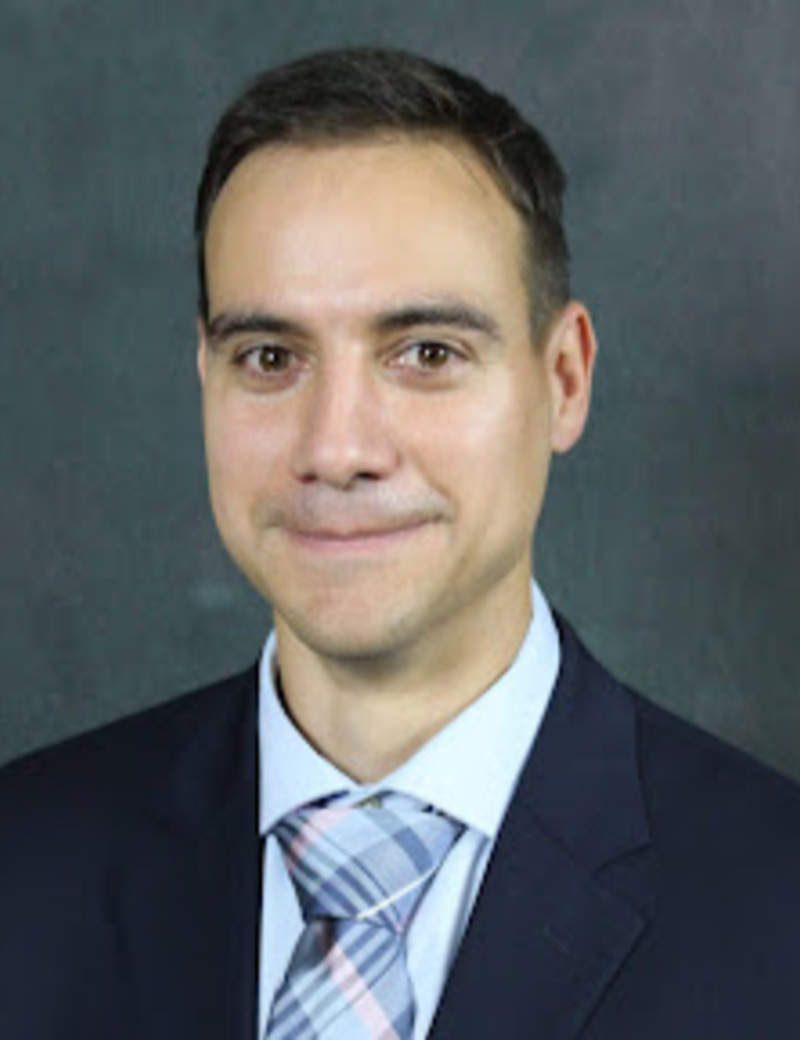
Dr. Alejandro (Alex) Gonzalez
Physical Therapy
Alex Gonzalez, PT, DPT, ECS, is the founder and owner of Waystone Health and Waystone Physical Therapy in Stephens City, Virginia. He is a board-certified clinical electrophysiologic specialist with advanced training in electromyography, nerve conduction studies, and neuromuscular ultrasound.
Alex provides comprehensive electrodiagnostic evaluations for patients with suspected nerve and muscle conditions, including carpal tunnel syndrome, ulnar neuropathy, cervical and lumbar radiculopathy, peripheral neuropathy, and other neuromuscular disorders. By combining EMG, nerve conduction studies, and ultrasound when clinically appropriate, he helps patients and referring providers better understand the location, severity, and nature of a suspected nerve injury. His goal is to provide clear answers, practical recommendations, and timely reports that support the next step in a patient’s care.
Alex earned his Doctor of Physical Therapy degree from Shenandoah University in 2019 and is board certified in clinical electrophysiology by the American Board of Physical Therapy Specialties. He is also certified in myofascial trigger point dry needling.
In addition to his clinical work, Alex is a regular guest lecturer at Shenandoah University, where he teaches within his areas of specialty, including clinical electrophysiology, electrodiagnostic testing, gait analysis, and the clinical use of physical agents. He has also presented on topics within his field at national professional conferences.
Alex founded Waystone to offer a more individualized and patient-centered approach to care. He believes effective healthcare requires more than performing a test or prescribing an exercise. It requires careful listening, clear education, and a shared understanding of the patient’s goals.
His background in orthopedic rehabilitation, neurophysiology, strength and conditioning, and diagnostic testing allows him to evaluate each patient from both a functional and neurologic perspective. Whether identifying the source of numbness and weakness or helping someone return to meaningful activity, Alex focuses on providing evidence-based care that is thorough, understandable, and useful.
Alex holds an undergraduate degree in psychology from Temple University and lives in Stephens City with his wife and children. He believes that movement, health, and physical independence are essential parts of a well-lived life.
